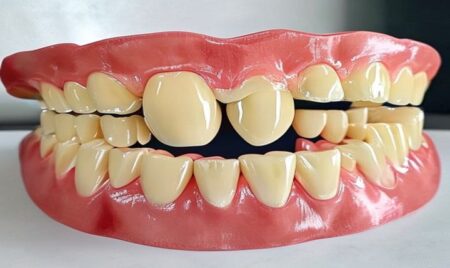


Temporomandibular Joint Syndrome (TMJ) impacts millions of Americans every year. It is believed that annually there are over 3M new cases. Despite its prevalence, there are numerous misconceptions regarding TMJ, its symptoms, and its treatment. For this reason, you should always seek expert counsel from your orthodontic specialist, as they are best skilled to diagnose and treat such concerns. At Pendleton Orthodontics, Dr. Ryan employs innovative techniques and procedures to diagnose and treat TMJ concerns. Arrange an appointment to explore your care options. Meanwhile, continue reading to learn more about TMJ Leander, including what causes it and how you can identify if you have this issue.
What Exactly Is TMJ?
Temporomandibular disorder, commonly referred to as TMJ, is a collection of diseases that affect the temporomandibular joints, jaw muscles, and facial nerves. TMJ can develop once the jaw twists while opening, shutting, or side-to-side motions. If you suffer from TMJ, you might exhibit the following symptoms:
- Jaw soreness or pain that is more prominent in the morning or late afternoons
- Popping or clicking sounds while opening the mouth
- Discomfort in and around your ears
- Sensitive teeth
- Tenderness of the jaw muscles or jaw joint
- Jaw discomfort while yawning, chewing, or biting
- Difficulty opening and shutting your mouth
- Neck pains and headaches
TMJ impacts over twice as many women as men and is the most prevalent cause of chronic facial discomfort unrelated to dental issues.
What Are The Common Causes Of TMJ?
TMJ disorders occur mostly if something negatively impacts the jaw muscles or joints. In many circumstances, TMJ disorders result from an injury that alters the TMJ’s alignment or swelling, like arthritis. Even if it sounds ridiculous, poor posture can cause tension in the jaw, facial muscles, and neck.
Can Stress Impact The TMJ?
It is believed that stress plays a role in TMJ. Even physically demanding activities, such as carrying a heavy object or being in a tense environment, can aggravate TMJ. The tension induces excessive use of the jaw muscles, notably teeth grinding (bruxism) and clenching.
How To Diagnose TMJ?
Before treatment, diagnosis is a crucial step. Currently, there is no well-acknowledged, standardized test for identifying TMJ. Similar symptoms may result from other dental disorders, like sinusitis and toothache. Physical, behavioral, and psychological factors may also contribute to the development of TMJ.
Often, Dr. Ryan Pendleton will take into account your symptoms, cross-check your health history, and perform a physical exam to diagnose TMJ. Your orthodontist will also request x-rays and dental impressions to determine how well your bite is or examine your temporomandibular joints.
What If You Suspect You May Have TMJ?
For most individuals, TMJ discomfort will subside by itself. Simple self-care techniques, such as exercising to prevent stress-induced teeth clenching, could be beneficial in alleviating TMJ symptoms.
If these self-care techniques fail, consult Dr. Ryan Pendleton for conservative therapy. Your care plan might include anti-inflammatories, pain medications, corticosteroid injections, mouthguards, and oral splints. However, if conservative therapy still does not address your concerns, your orthodontist could resort to open-joint surgery. In this situation, you should discuss the potential advantages and risks of the surgery to determine if it is appropriate for you.
TMJ discomfort can be unpleasant and daunting. Worse still, if left untreated, TMJ disorders could lead to asymmetrical facial muscles, tooth wear and damage, jaw difficulties, and hearing loss with time. A quick consultation with Dr. Ryan at Pendleton Orthodontics is well worth the cost to avoid these possible complications. Arrange an appointment through mobile or book online today.