
For most people, insect stings can only cause some mild pain or complaints -most people are not allergic to insect stings. However, others experience serious allergic reactions after an insect sting. Every year, approximately, 90 to 100 people die from a severe Duluth stinging insect allergy reaction. If you experience swelling or dizziness after being stung by an insect, seek immediate medical attention to prevent severe allergic reactions or death.
What causes a stinging insect allergy?
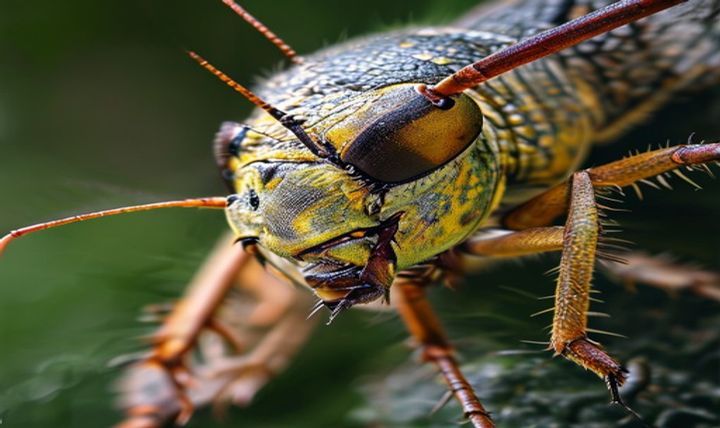
The most serious stinging insect allergies are caused by insects like yellow jackets, Honey bees, hornets, wasps, and fire ants. Although not everyone is sensitive to insect venom, reactions in the skin such as slight discomfort, swelling, and redness may occur after an insect sting.
What are the symptoms of an insect allergy?
Symptoms of stinging insect allergy reactions vary from one person to another. The most common symptoms of insect stinging allergy that many people experience include nausea, hives, itching, skin flushing, or vomiting. However, some people may experience severe reactions, known as anaphylaxis, which can lead to death. If you have severe allergic reactions, you may experience trouble breathing, trouble swallowing, hoarseness, tongue swelling, fainting, and dizziness. These reactions frequently start to manifest within a few minutes after an insect sting but they can delay for up to 12 hours.
How are stinging insect allergies treated?
When a sting occurs, scrape the stinger off as fast and gently as possible without pulling the stinger. Don’t squeeze or tug on the venom sac since this can cause additional venom to enter the wound. Apply antiseptic after washing the area with the sting using soap and water. Apply hydrocortisone cream or calamine lotion on the itch, followed by a bandage. Placing an ice pack on a swollen or painful area might assist. Also, you may take an antihistamine to stop itching.
Insect stings can cause life-threatening reactions that necessity immediate medical attention. If you are at risk of life-threatening allergy reactions, you should have injectable epinephrine (EpiPens) on hand for self-administration.
An allergist can provide venom immunotherapy to help prevent future allergic responses. Venom immunotherapy gradually lessens the degree of your allergic reaction by desensitizing your immune system. As your provider steadily increases the venom dosages, your immune system stops generating severe responses.
How can I avoid insect stings?
Undoubtedly avoiding the insect sting is the best treatment. Taking preventative measures may drastically reduce your chances of being stung. Sweet scents attract insects. People allergic to stinging insects should avoid perfumes, perfumed hair spray, fragrant suntan lotion, and other products. Don’t walk barefoot on fields where bees or other stinging insects may be present. Most honeybee stings occur on the bottom of the bare foot while walking on the bee.
Avoid wearing loose-fitting clothes since you can get insects trapped between the material and your skin. Bright colors, black clothes, and floral designs attract stinging insects more than light and subdued hues like green, khaki, tan, and white. If you are allergic to stinging insects, always have an insecticide spray in your vehicle’s glove compartment if a stinging insect becomes stuck inside.
Call Allergy and Asthma Institute, LLC, to book your appointment for stinging insect allergy treatment.